Stop Mocking Everything: The 3 Tests I Start With for a Service
A practical testing strategy for backend services — fewer tests, more confidence, starting with unit, contract and E2E instead of mocking everything.
Hi, I’m
Lead Software Engineer
I design and operate secure, scalable platforms for critical AI applications in healthcare, from infrastructure to production.
My journey
LeadSoftware engineer, I design and operate secure, scalable platforms for critical AI applications in healthcare, from infrastructure to production.
Focused on distributed systems, reliability and observability, I design robust architectures under strong security and compliance constraints, and lead projects end to end.
I also help teams adopt agile practices and align architecture across teams.
2018 – 2020
University Institute of Technology, Montpellier.
2025 – present
Design and operation of AI-powered applications for healthcare professionals, with a strong focus on reliability, security and integration with the hospital information system.
2023 – 2025
Architecture of a domain-oriented backend platform (Scala, gRPC): monolith decomposition, distributed-systems migrations (Kafka, Elasticsearch) and cross-team authentication standardization.
The technologies, platforms and methods I use on a daily basis.
Technical writing on software engineering, testing and architecture.
A practical testing strategy for backend services — fewer tests, more confidence, starting with unit, contract and E2E instead of mocking everything.
A selection of projects and internships built throughout my journey.
17 results

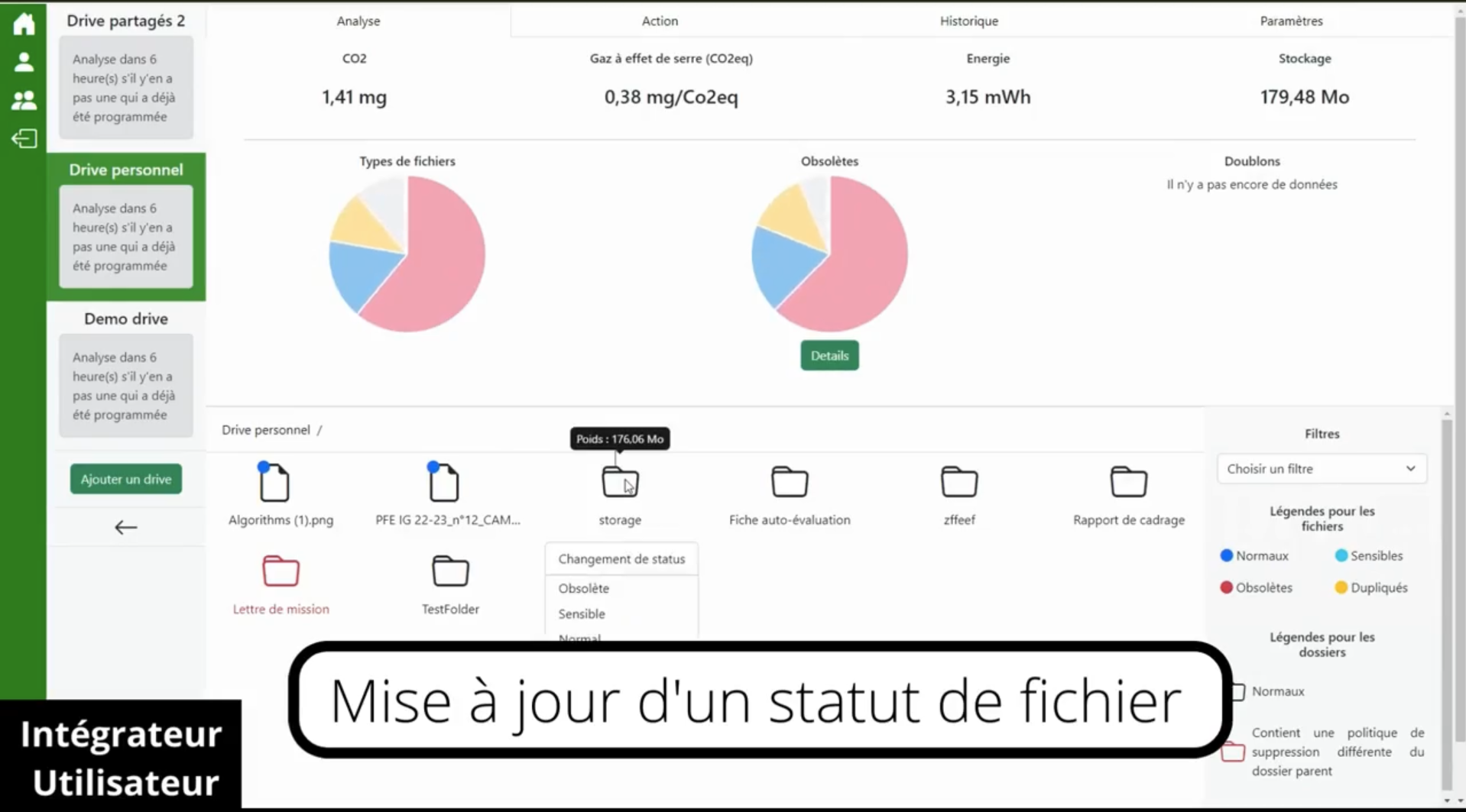
Auditing the environmental cost of data stored on a drive and running deletion policies.

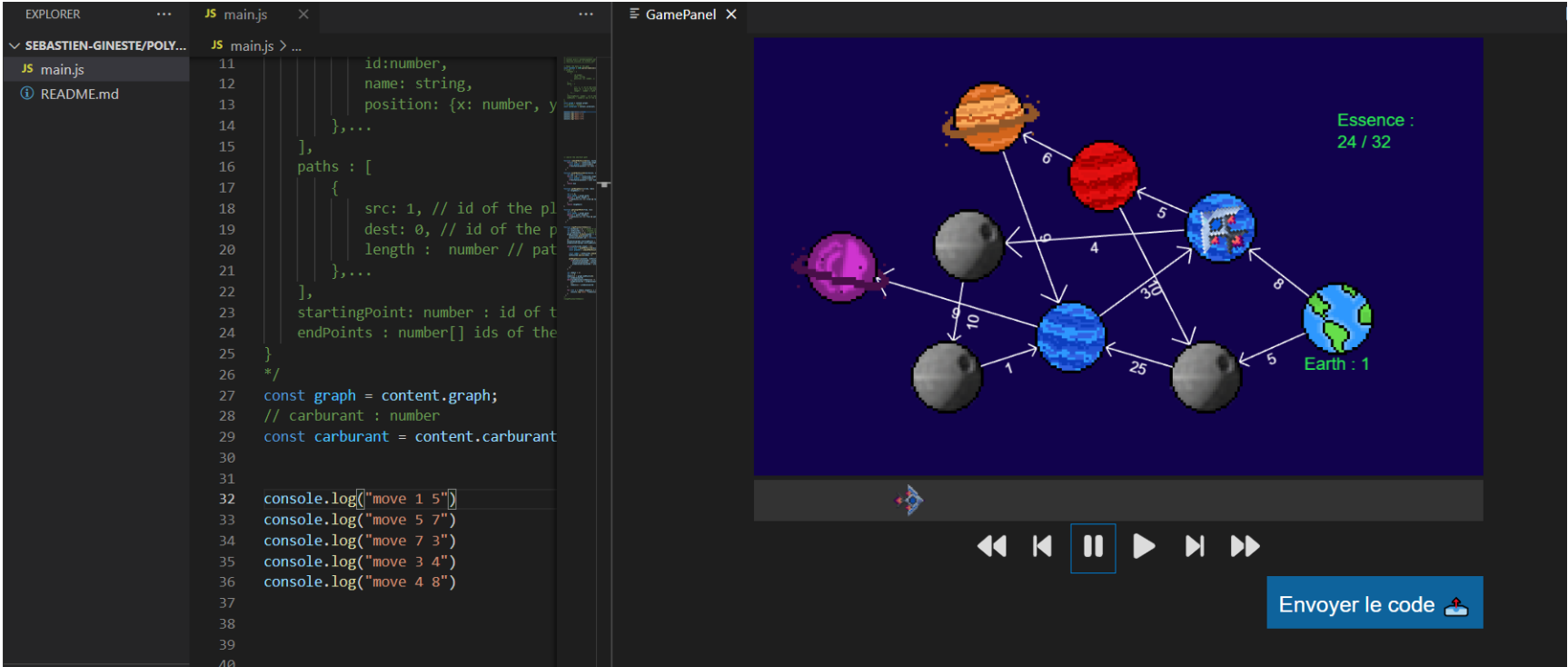
Serious algorithmics game shipped as a VS Code extension.

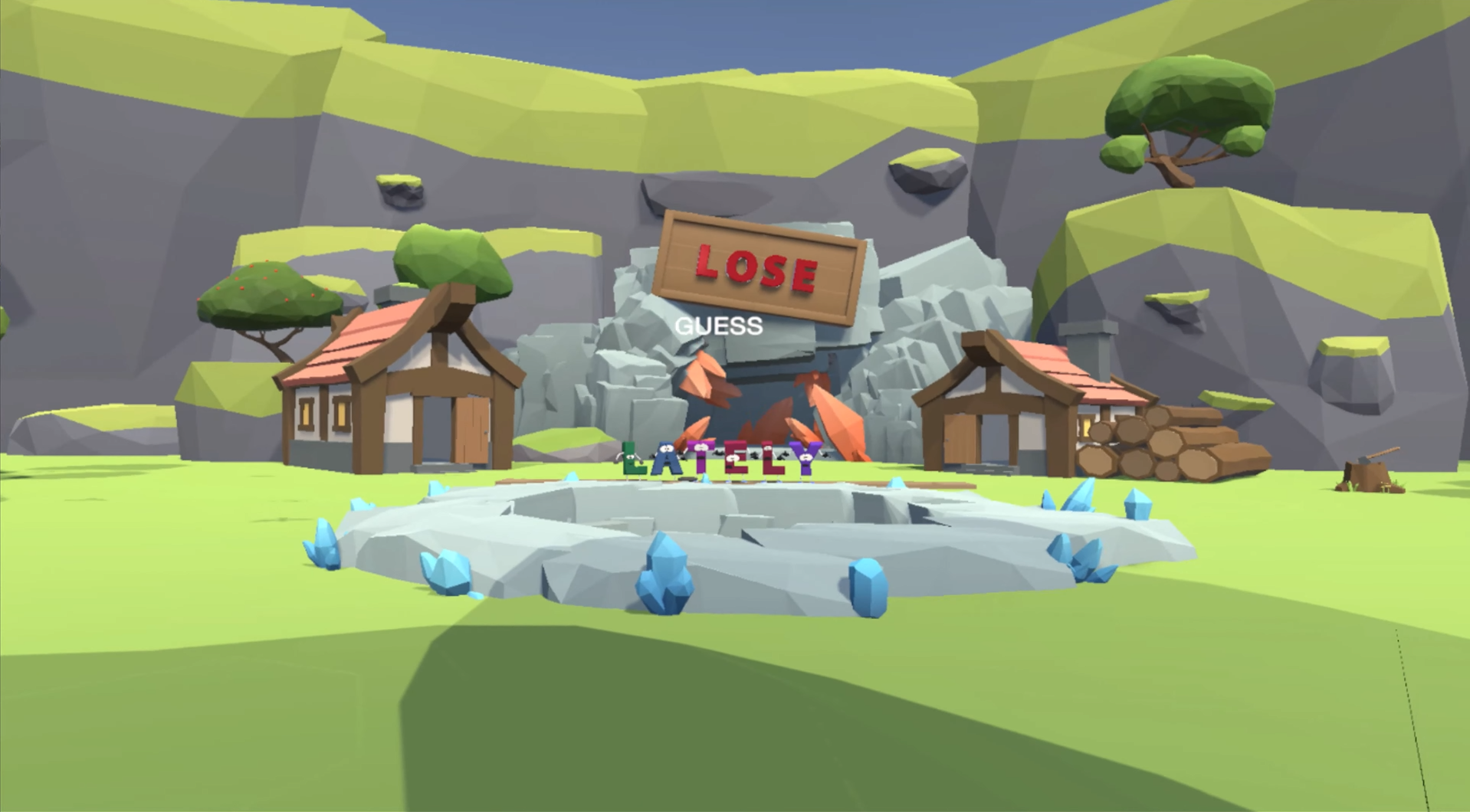
Serious virtual-reality game, awarded at the GALA conference.

Final-year project (PFE) carried out for CGI as part of the RGESN (General Reference for the Ecodesign of Digital Services), which aims to reduce the consumption of IT and energy resources and the contribution to equipment obsolescence. The application lets you add drives from Google Drive and OneDrive providers via OAuth 2. An audit of these drives is performed at a user-defined interval: it measures the environmental and energy impact of files and identifies duplicate files to save space. Users can define deletion policies based on data type and last modification date; these policies allow non-compliant files to be deleted or made obsolete. Drive consumption can be visualised over time. Dockerised microservices architecture.